

Learn how hidradenitis suppurativa may qualify for disability benefits in Alabama, what evidence SSA reviews, and how to strengthen an HS claim.
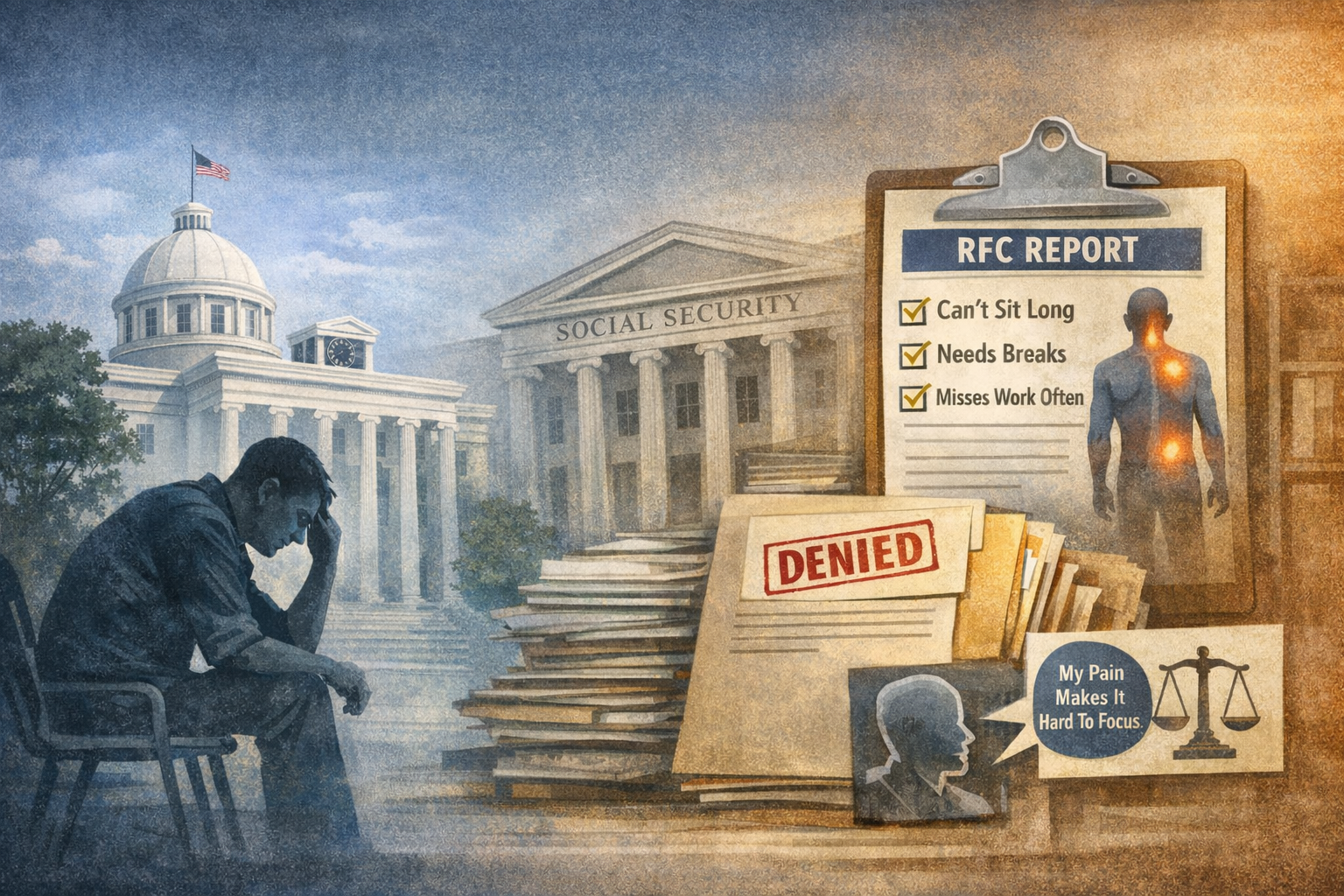
Denied disability in Alabama? Learn how medical records, testimony, and RFC evidence may still help you win benefits even without new medical evidence.

Does education affect disability approval in Alabama? Does education help or hurt my disability claim?

Most Alabama disability claims are denied first. Learn why and how appeals can lead to approval.
Denied disability in Alabama? Learn what your SSA denial letter really means and how to appeal your claim successfully
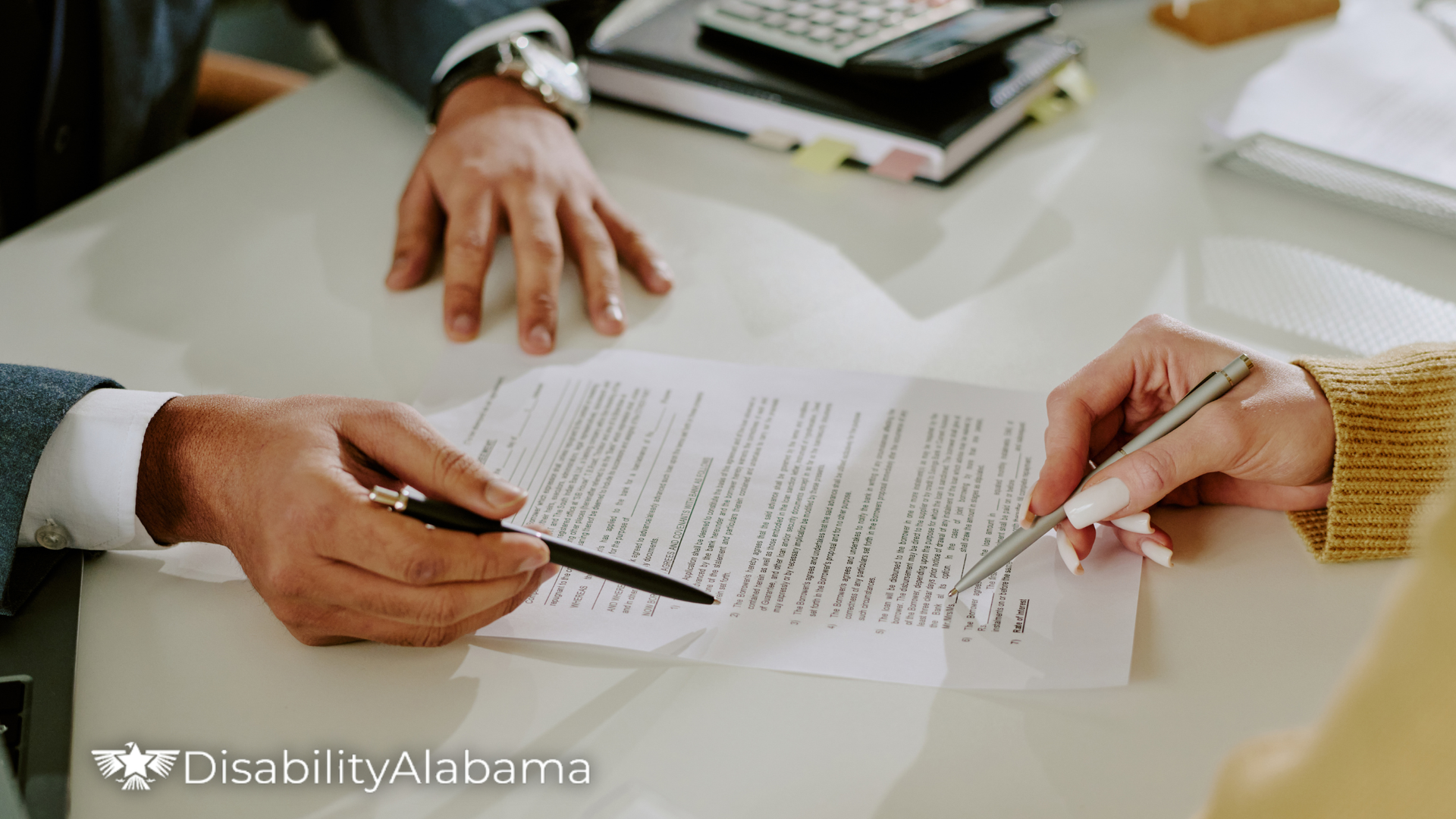
Employer and co-worker statements documenting workplace accommodations can win your disability appeal. Learn what accommodations matter, how to request effective statements, and why this evidence is decisive. Free consultation with experienced disability appeals attorney.

SSA field office closures and staffing shortages are slowing disability claims across Alabama. Learn why having an experienced Alabama disability appeals lawyer is now essential to navigate delays, missing records, and denied benefits.

Struggling with a denied disability claim? Learn why documenting workplace accommodations can make or break your Social Security Disability appeal, and how an experienced Alabama disability lawyer can help strengthen your case.
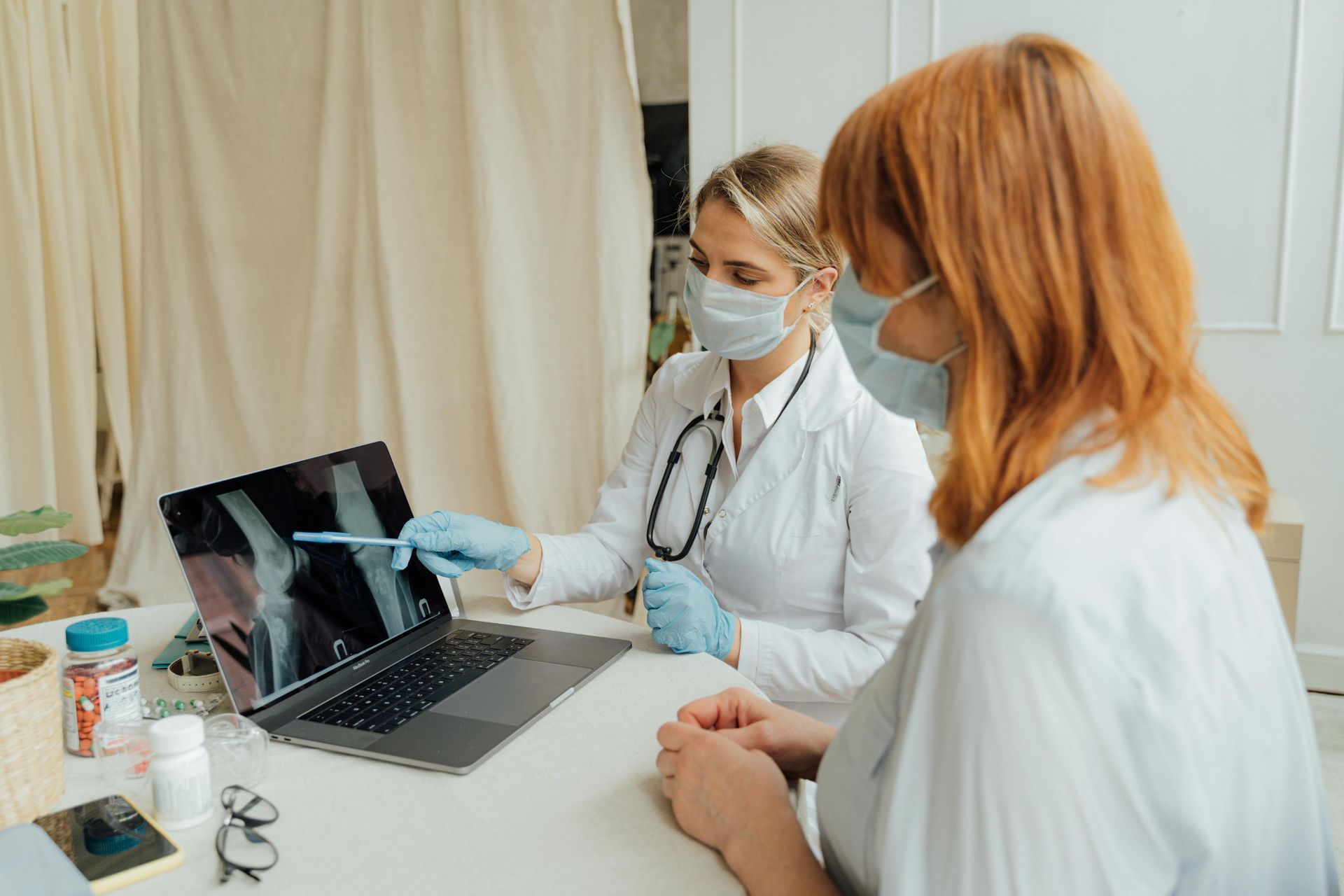
A doctor’s opinion is incredibly helpful, but it’s not the only thing we can use. That said, if we can get one—especially from a treating provider who supports you—it often makes all the difference.

Keeping a symptoms diary can strengthen your Social Security Disability claim by documenting how your condition impacts daily life. Learn what to track and how it helps win your case in Alabama.